Stone Kitchen Countertops
Granite, quartz, and marble countertops offer the perfect combination of beauty, durability, and functionality. Granite is valued for its natural strength and unique patterns, quartz is a low-maintenance and stain-resistant surface ideal for busy spaces, and marble is known for its timeless elegance and distinctive veining. These materials are commonly used for kitchen countertops, bathroom vanities, fireplaces, feature walls, and commercial applications.
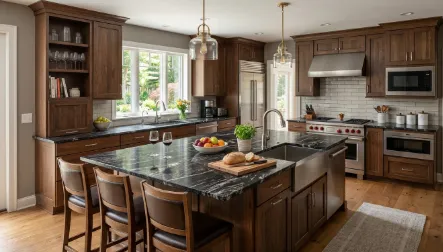
Granite
Natural Stone increases the value of Your Home.
Nearly indestructible; granite countertops are scratch, stain and heat resistant making a perfect surface for a kitchen or bath. Highest return in added marketing value is remodeling your kitchen using low maintenance granite to increase value to your home. No other solid surface material compares in durability and cost for the natural beauty and immeasurable value granite countertops bring to your home.
Quartz
Elegant and Practical
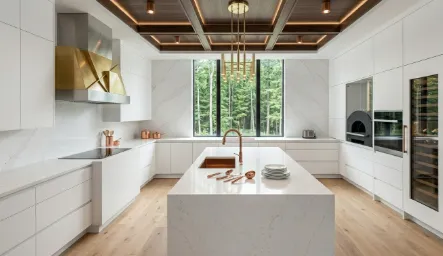
Made from approximately 93% natural quartz combined with resins and pigments, quartz countertops offer the perfect balance of beauty, durability, and practicality. Their non-porous surface resists staining and requires very little maintenance, making quartz an excellent choice for homeowners seeking a stylish, long-lasting countertop with easy everyday care.
Marble
Timeless, Classy & Beautiful
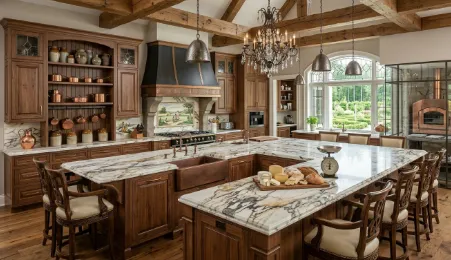
Marble is a natural stone created when limestone is transformed by heat and pressure over many years. Known for its elegant veining and timeless beauty, marble remains naturally cool to the touch, making it a popular choice for baking, food preparation, and a variety of interior applications. Its classic appearance and enduring durability have made marble a sought-after material for homes and commercial spaces for generations.
What is the difference between Quartz and Granite?
Quartz countertops are engineered surfaces made primarily from natural quartz combined with resins and pigments. Because they are non-porous, they resist staining and do not require sealing. Quartz is available in a wide range of colours, patterns, finishes, and slab sizes, making it a popular choice for homeowners seeking a consistent appearance and low maintenance.
Granite is a natural stone quarried directly from the earth. Each slab has unique colours, patterns, mineral deposits, and natural characteristics that cannot be duplicated. Since granite is naturally porous, periodic sealing is recommended to help protect against staining and maintain its appearance.
How should I prepare for templating?
Before our team arrives to create your template, please ensure the work area is clear and accessible. Any sinks should be on-site and clearly identified for their intended location. Cabinet fillers, panels, and other finishing components should be installed so we can obtain accurate measurements. Final locations for sinks, faucets, cooktops, and other fixtures should also be confirmed before templating, as changes afterward may result in additional costs and project delays.
How should I prepare for installation?
If we are replacing existing countertops, all plumbing should be disconnected before our installers arrive. Countertops should be cleared of personal items, and lower cabinets should be emptied if necessary. For new construction or renovations, cabinets must be fully installed, level, and ready to receive the new countertops.
Will my countertop have seams?
Our goal is always to minimize the number of seams whenever possible. However, certain kitchen layouts, countertop sizes, or slab dimensions may require seams. When seams are necessary, we use colour-matched materials and professional installation techniques to make them as discreet as possible.
Can I install my tile backsplash before the countertops?
We recommend waiting until your countertops have been installed before completing any backsplash work. This ensures a precise fit between the countertop and tile, resulting in a cleaner and more professional finish.
Can I choose how my granite slab is cut?
Customers are welcome to view their selected slabs and discuss pattern preferences with our team. While we consider your input, final layout decisions are made to achieve the best overall appearance, structural integrity, and seam placement for the finished project.
Do you connect sinks and faucets after installation?
We mount sinks and drill the required faucet holes as part of the countertop installation process. However, we do not perform plumbing connections. We recommend hiring a licensed plumber to complete all water supply and drain hookups.
How long does countertop installation take?
Most standard kitchen countertop installations can be completed within a few hours. Installation times vary depending on the size of the project, the number of seams, and the complexity of the design, but a typical kitchen is often completed in approximately four hours.
How do I care for my stone countertops?
For everyday cleaning, use warm water and a mild dish soap. To maintain the appearance of natural stone surfaces, consider using a stone-specific cleaner periodically. Avoid harsh chemicals, abrasive cleaners, vinegar, bleach, or acidic products, as they may damage the surface or sealer. If you encounter a difficult stain, contact us for recommendations on the safest cleaning method.
Get An Estimate
We respect your privacy and will never sell, share, or use your information for spam or unsolicited marketing.